AI watch by industry
AI in media, communication and marketing
Companies across sectors are testing AI agents and assistants for content production, advertising and customer interaction, with some mid-sized firms reporting measured gains in time saved or margins improved. Adoption remains uneven, however: Goldman Sachs Research puts business AI adoption in developed economies such as France at 15 % to 20 %, while a Computing report finds 75 % of marketing professionals plan to increase spending on AI assistants, even as only 6 % of marketers say in a Bain study that this investment has paid off significantly. Legal obligations around staff consultation, and visible disruption within the media sector itself, add further conditions for businesses weighing adoption.
Mid-sized firms report measured time and margin gains
Several mid-sized businesses describe concrete, measured results. French consultancy Arynor lists 2026 missions including training a portfolio manager at COGEP, a 3,100-employee accounting group, and supporting the 40-employee accounting firm HIVE, alongside a prospecting agent for IT refurbisher Codeo. In the United States, Anthropic reports that its Claude for Small Business plugin, installed over 900,000 times since May 2026, helped Mothership Coffee Roasters reach 22 % in-store margins and let baby-goods retailer Bambi Baby generate $60,000 in sales within four days of deploying a lead-capture tool. In Mexico, 88 % of small businesses using AI advertising tools told Amazon Ads they had reached audiences previously out of reach.
- France Num · 30 September 2026 ARYNOR, agency supporting the AI transition (Claude/Anthropic) Read the article on the publisher’s website ↗
-
 Unite.AI · 15 September 2026 Anthropic adds 43 workflows and 27 integrations to Claude for Small Business Read the article on the publisher’s website ↗
-
 El Economista (México) · 20 September 2026 AI opens up new advertising and video options for Mexican SMEs Read the article on the publisher’s website ↗
Our summaries: France Num, Unite.AI, El Economista (México)
AI advertising boosts visibility, but returns stay unproven
Early tests of AI-driven advertising show gains in visibility but weak direct returns. French agency Webloom tested ChatGPT Ads for eight advertisers in September 2026: CPMs stayed low, around €9 to €10, and 80 % saw brand searches on Google rise by 10 % to 30 %, convincing four advertisers to continue despite a return on ad spend that never exceeded €1 earned per €1 spent; the four advertisers seeking leads abandoned their tests. OpenAI itself cites one e-commerce client whose attributed revenue over 28 days amounted to €3 for every €1 spent on advertising. More broadly, a Bain study found only 6 % of marketers say AI investment has paid off significantly, even as a Computing report puts the share planning to increase spending on AI assistants at 75 %.
-
 Journal du Net · 14 October 2026 ChatGPT Ads: skewed reporting and no profitability, but positive impacts Read the article on the publisher’s website ↗
-
 Journal du Net · 28 September 2026 ChatGPT Ads in France opens a new battle for consumer choice Read the article on the publisher’s website ↗
-
Business Insider · 30 September 2026 · paywalled Only 6% of marketers say AI delivers significant returns: Bain study Read the article on the publisher’s website ↗
-
 Computing · 14 October 2026 75% of marketing professionals plan to increase their investment in AI assistants, including advertising Read the article on the publisher’s website ↗
Our summaries: Journal du Net (1, 2), Business Insider, Computing
French law requires staff consultation before AI deployment
In France, deploying AI tools without first consulting staff representative bodies (CSE) has repeatedly been blocked or suspended by courts. In February 2025, the Nanterre employment tribunal suspended five tools, including Finovox and Synthesia, under a daily penalty for continued use. The Paris court of appeal later suspended a reorganisation at Infopro Digital subsidiary GISI that had shifted 70 % of eight sub-editors’ tasks to AI, eliminating their posts; France Télévisions, CS Group France and an insurer faced similar disputes, while Microsoft’s Copilot 365 was ruled outside the consultation requirement. Under the EU AI Act, obligations for high-risk HR tools apply from 2 December 2027, regardless of company size.

Adoption levels differ sharply by country and sector
Business adoption of AI varies sharply by country and sector. Goldman Sachs Research, covering 28 economies, estimates adoption in developed economies including France, the United States, the Netherlands and the United Kingdom at 15 % to 20 %, against under 10 % in Argentina. In the United States, a Ramp and Revelio Labs study of over 21,000 companies found 53.7 % adoption in the information sector and 43.6 % in finance and insurance by the end of 2025, compared with 11 % to 15 % in healthcare, construction and hospitality. Deloitte projects that AI adoption in consumer, life sciences and technology-media-telecoms companies will approach 72 % to 75 % by 2028.
-
 Forbes Argentina · 22 September 2026 Argentina last in the global AI adoption ranking: what the Goldman Sachs study shows Read the article on the publisher’s website ↗
-
 iProfesional · 30 June 2026 Companies investing the most in artificial intelligence are hiring more, and faster Read the article on the publisher’s website ↗
-
Deloitte · 8 September 2026 "AI factory" trends by industry: outlook to 2028 Read the article on the publisher’s website ↗
Our summaries: Forbes Argentina, iProfesional, Deloitte
Media sector disruption signals risks for content models
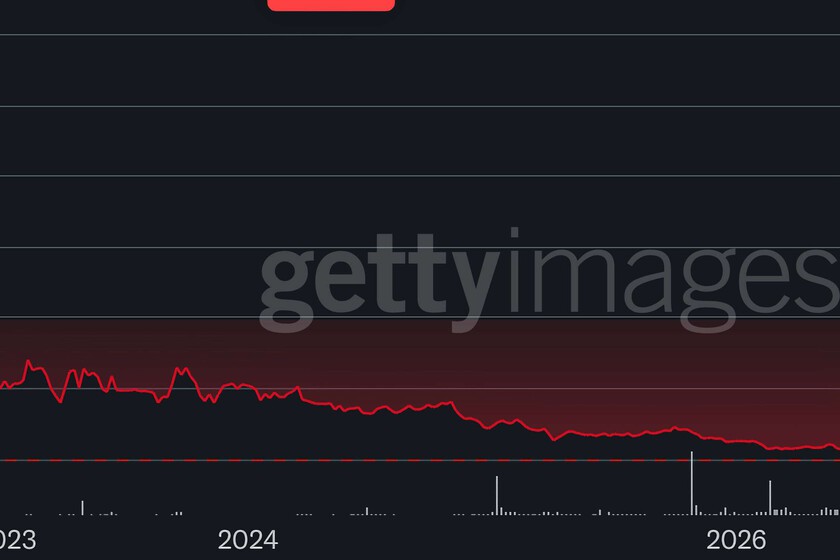
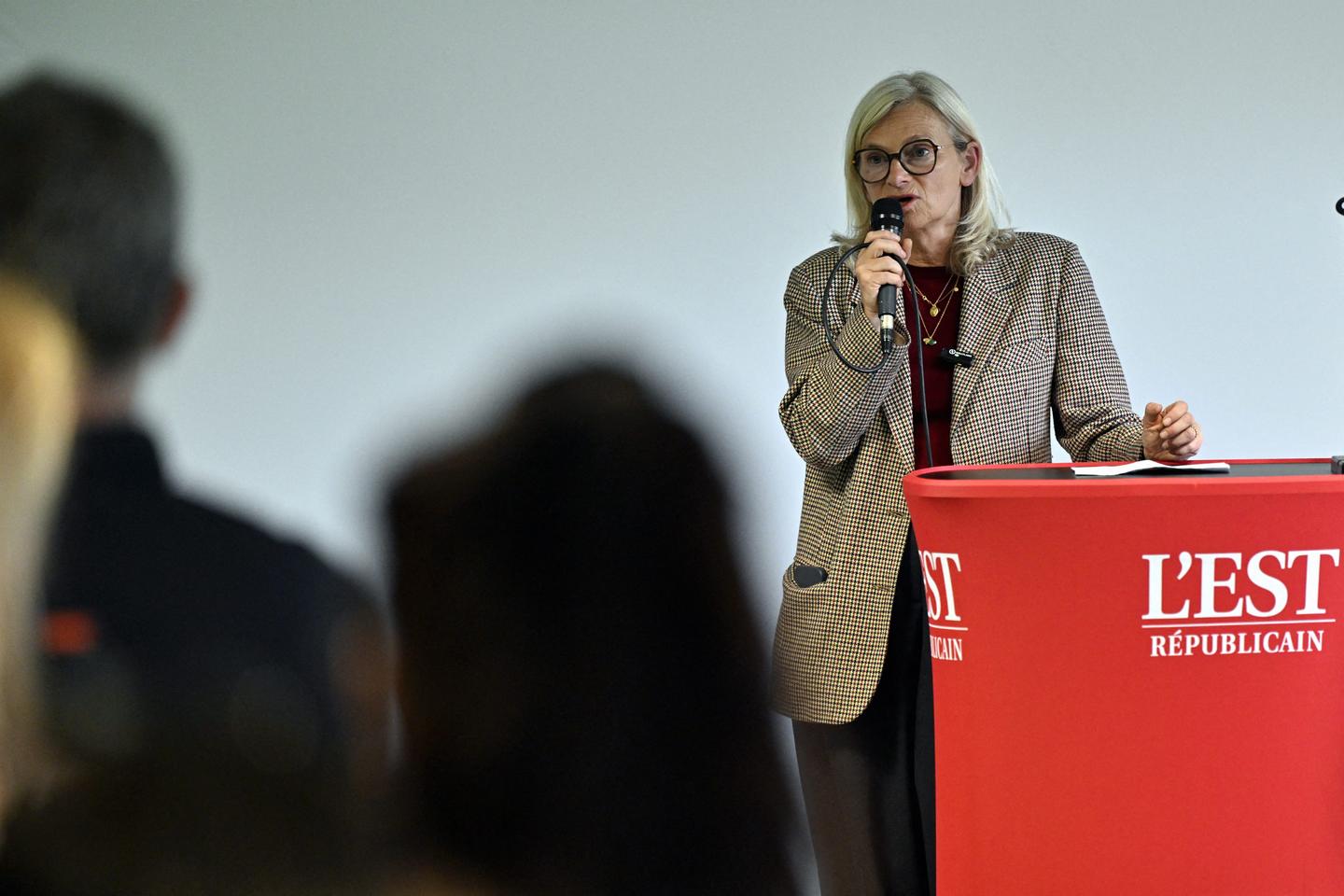
The media sector itself illustrates risks of AI-driven disruption for content-dependent businesses. Getty Images filed for Chapter 11 bankruptcy on 12 October 2026, its market capitalisation having fallen from $11 billion in 2022 to $8 million, a drop Xataka links partly to generative AI’s ability to create images without stock libraries. In France, the EBRA newspaper group’s plan to cut close to 10 % of staff while expanding AI use in newsrooms triggered a strike call on 9 October 2026. In the United States, more than 200,000 creative-industry jobs have disappeared since 2022, 50,000 of them in the past year, with cinema unemployment reaching 10.7 % against a 4.2 % national average.
-
 Xataka · 16 October 2026 Getty is the first major company of the past to fall because of AI: if others don't learn, it won't be the last Read the article on the publisher’s website ↗
-
 Le Monde · 8 October 2026 · paywalled At the EBRA Group's newspapers, AI at the centre of a strike call Read the article on the publisher’s website ↗
-
 Xataka · 5 October 2026 US data points in one direction: "something" has destroyed more than 200,000 creative jobs since 2022 Read the article on the publisher’s website ↗
Articles cited
- Getty is the first major company of the past to fall because of AI: if others don't learn, it won't be the last Xataka, 16 October 2026
- ChatGPT Ads: skewed reporting and no profitability, but positive impacts Journal du Net, 14 October 2026
- 75% of marketing professionals plan to increase their investment in AI assistants, including advertising Computing, 14 October 2026
- At the EBRA Group's newspapers, AI at the centre of a strike call Le Monde, 8 October 2026
- When to consult the CSE before deploying AI (October 2026) ActuIA, 7 October 2026
- US data points in one direction: "something" has destroyed more than 200,000 creative jobs since 2022 Xataka, 5 October 2026
- AI at RATP: the social alert centres on consulting the CSE ActuIA, 5 October 2026
- ARYNOR, agency supporting the AI transition (Claude/Anthropic) France Num, 30 September 2026
- Only 6% of marketers say AI delivers significant returns: Bain study Business Insider, 30 September 2026
- ChatGPT Ads in France opens a new battle for consumer choice Journal du Net, 28 September 2026
- Argentina last in the global AI adoption ranking: what the Goldman Sachs study shows Forbes Argentina, 22 September 2026
- AI opens up new advertising and video options for Mexican SMEs El Economista (México), 20 September 2026
- Anthropic adds 43 workflows and 27 integrations to Claude for Small Business Unite.AI, 15 September 2026
- "AI factory" trends by industry: outlook to 2028 Deloitte, 8 September 2026
- Companies investing the most in artificial intelligence are hiring more, and faster iProfesional, 30 June 2026
Another question?
Claude searches the articles in the watch and answers you, citing its sources.
Answer written by an AI model (Claude, by Anthropic) from the articles in the watch only: check the figures in the sources. Questions are recorded;learn more.
Method
Text written on 20 October 2026 by an AI model (Claude Sonnet 5, by Anthropic) from 51 AI watch articles on this theme, published between 30 June 2026 and 19 October 2026. Each paragraph links to the entries it draws on, and every number in the text was found in one of these articles before publication. The text is rewritten every week.
Other industries
- AI in manufacturing
- AI at family offices and private wealth advisory firms
- AI in retail and distribution
- AI in transport and logistics
- AI in healthcare
- AI in consulting, law and accounting
- AI in software, IT services and telecoms
- AI in energy and utilities
- AI in construction and real estate
- AI in tourism and hospitality
- AI in the public sector